
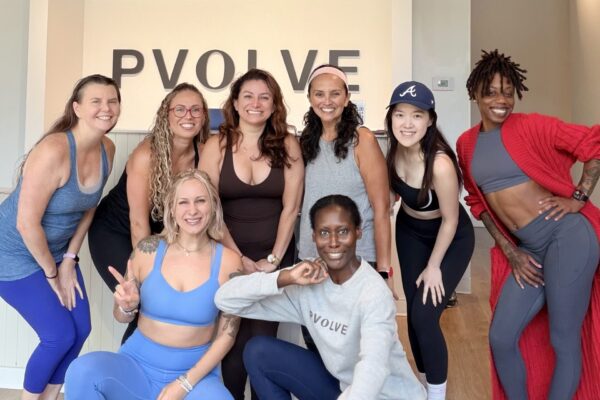
I recently had the opportunity to lead my Strength Starts in the Kitchen workshop at PVOLVE, and I left feeling grateful, energized, and excited to keep having these conversations. Getting to share something I care so much about with people who are actively investing in their health was such a meaningful experience. I had so much fun talking about food and the everyday choices that support the work we ask our bodies to do. What stayed with me afterward was how much people cared. They wanted to understand how to fuel themselves well and put that understanding into practice in their own kitchens or at least know which packaged foods to trust.
The presentation focused on the connection between nutrition, strength training, and recovery. We put time and effort into showing up for our workouts, and food is part of how we support that effort beyond the studio. We covered the roles of protein, carbohydrates, and fats, along with ideas for eating before and after class. Protein supports muscle repair, carbohydrates provide fuel for activity, and fats have an important place in our overall nutrition. My goal was to make those concepts approachable and connect them to actual meals. Knowing what a nutrient does becomes much more useful when you can picture how to include it in breakfast or what to pack for lunch.
We also talked about giving ourselves enough food to support the activity we’re doing. It can be easy to focus on the workout itself while barely thinking about whether we’ve eaten enough around it, especially when class gets squeezed into an already full day. I shared meal and snack ideas to make that planning more tangible, including oatmeal with banana, a turkey and rice bowl, or greek yogurt with berries. After a workout, examples included chicken with rice and roasted vegetables, salmon with quinoa and greens, or a protein smoothie with fruit when something quick makes the most sense. These were starting points people could adapt to their schedules and preferences.
Another part of the workshop covered everyday food choices, including balanced snacks, simple ingredients, and reading packaged food labels. We looked at familiar foods like eggs, oats, sweet potatoes, fruit, and vegetables as ingredients to build meals around. We also talked about snacks such as cottage cheese with berries or an apple with almond butter. I wanted people to leave with options they could actually imagine eating. We even covered protein desserts, including protein ice cream and protein chocolate mousse, because enjoyment deserves a place in this conversation, too. There is something encouraging about realizing that taking care of yourself can include foods you look forward to making and eating.
The biggest takeaway for me, though, was how much people wanted practical, nutritious recipes and help planning ahead. That interest really stuck with me. There was a clear desire to care for their bodies and support their workouts, alongside the very real challenge of fitting meals into everything else. I think so many of us understand that feeling. We can have every intention of cooking, then find ourselves at the end of a long day with an empty stomach and very little energy left to decide what to make. A recipe that feels manageable in that moment can be incredibly helpful.
We live in a culture that asks us to keep moving almost constantly. Between work, family responsibilities, appointments, messages, and the steady stream of information coming at us, even ordinary days can feel overwhelming and overstimulating. Then we’re supposed to figure out dinner. Wanting convenience makes complete sense to me. People want food that tastes good and supports their health, and they also need it to fit into the time and energy they have available. The workshop reminded me to keep that reality at the center of what I share. A useful recipe needs to account for the person who will be making it on a busy Tuesday, with other things competing for their attention.
That’s why batch cooking was an important part of the presentation. Preparing a few basics ahead of time gives you something to work with when the week gets hectic. We talked about choosing one or two proteins and a couple of carbohydrate options to cook in advance, then using those ingredients to put meals together. That might mean having ground turkey and roasted sweet potatoes ready, or making protein pancakes ahead of a busy morning. You can start with whichever meal tends to be the hardest to manage. Even having one reliable option waiting for you can take a decision off your plate and make feeding yourself feel a little easier.
I came away from this experience thinking about how much I enjoy the exchange that happens during a workshop. I get to share what I know, and I also get to hear what people need help with. This time, the message I took home was clear: recipes and preparation matter. People want to know how to bring nutrition into their everyday routines in ways they can sustain. I’m so appreciative of PVOLVE for the opportunity and of everyone who took the time to participate. I would love to have more of these conversations with other studios, workplaces, and community organizations in the future. It’s work I truly enjoy, and this experience gave me even more ideas for what to share next.
With that in mind, I’m excited to share a little something tomorrow: my free mini e-cookbook. After hearing how much interest there was in practical recipes, I’m especially looking forward to putting it out into the world. My hope is that it gives you a little inspiration and makes planning something nourishing feel more approachable. Thank you again to everyone who was part of Strength Starts in the Kitchen. I had such a good time sharing this space with you, and I’m still thinking about the care you brought to the conversation. I hope the ideas we covered stay useful long after the workshop, especially on the busy days when having something simple to make helps the most.